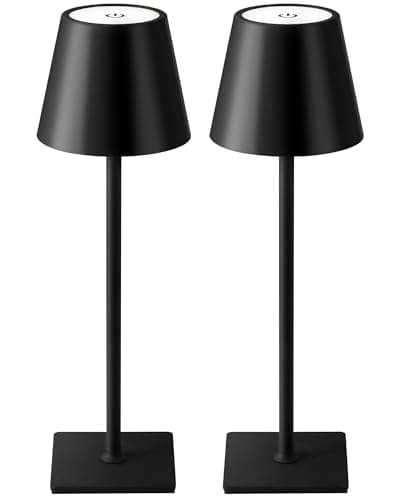
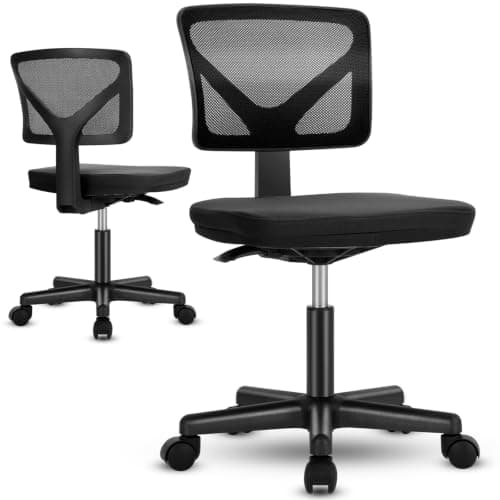
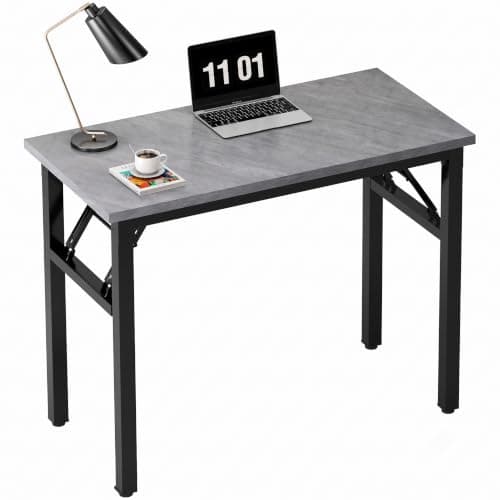
Two people working from home in a one-bedroom is mostly a scheduling problem wearing a furniture problem’s clothes. The two decisions that matter are back-to-back or side-by-side, and who takes the calls. Everything else — the second desk, the power, the light, the sound — follows from those two answers.
Below: the layout rules, then a five-part kit for the second workstation. Parts are in build order, not rank order, and every one of them is chosen to be movable, because in a shared apartment the layout will change at least twice.
Decision one: back-to-back or side-by-side
Back-to-back— two desks against opposite walls, people facing away from each other — is the better layout in almost every case. Neither person is in the other’s camera frame, neither is in the other’s eyeline, and each gets their own wall for cables. It needs two clear walls, which a one-bedroom often has if you count the bedroom.
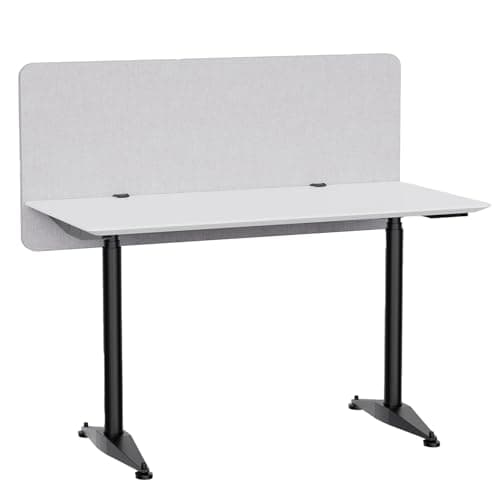
Side-by-sidealong one wall saves cable runs and lets both desks share a power tower, but it puts two people in each other’s peripheral vision all day and both in shot on a wide-angle webcam. If it is the only option, a clamp-on divider between the two desks fixes the sightline, which is the larger half of the problem.
| Layout | Needs | Best for | Weakness |
|---|
| Back-to-back | Two clear walls | Overlapping call schedules | Two separate power runs |
| Side-by-side | One long wall, 6 ft+ | Shared power, tidy cabling | Sightlines and camera frames |
| Split rooms | A bedroom plus a living room | Simultaneous calls | One person works in the bedroom |
| Shift sharing | One desk, staggered hours | Smallest apartments | Only works if the schedules differ |
Decision two: who takes the calls
The person with more scheduled calls gets the room with the door and the better light; the person with fewer takes the flexible desk. This is worth agreeing explicitly rather than discovering at 10am on a Tuesday. Practically: the call-heavy desk needs decent front lighting (see lighting for video calls), a background that is not a bed, and headphones with a microphone so the other person’s keyboard does not join the meeting.
Sound: what actually helps
In order of effect per dollar: headsets (both people, always), a staggered call schedule, soft furnishings— a rug, curtains and a full bookshelf do more for a room’s echo than most panels — a desk divider for the sightline, and only then acoustic panels, which reduce reflections inside your room and do not stop sound traveling between rooms. That distinction matters and is explained in renter-friendly acoustic panels.
Power and network for two
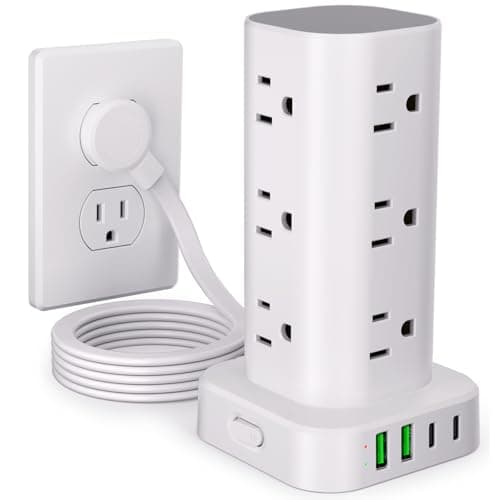
Two full desk setups is realistically ten to twelve plugs. One tower on one wall socket covers it, provided the total load stays inside its rating — two laptops, two monitors and two lamps do. Do not daisy-chain strips. If both of you are on video calls simultaneously, wired ethernet for at least one desk is the single biggest quality improvement available; a USB-C dock with gigabit ethernet adds the port to a laptop that lacks one.
If there is only room for one desk
Then one of you is working somewhere else, and the honest options are the dining table, the couch, or a fold-down desk on a wall. Each has a build: the dining-table convertible office, couch desks and C-tables, and wall-mounted folding desks.
Which desks, specifically
The furniture half of this build has its own page: best desks for two people in a small apartment, which runs the one-desk-or-two math with real dimensions. The short version is that two 16-inch-deep desks on the same wall give more usable width than a 55-inch L-shaped desk and use half the depth — and they let each of you set your own height, which a single shared surface never can.