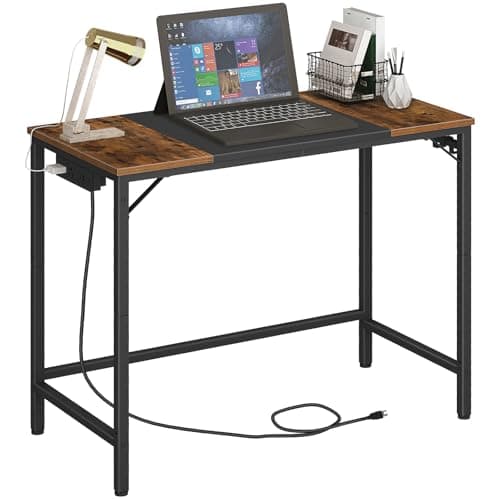
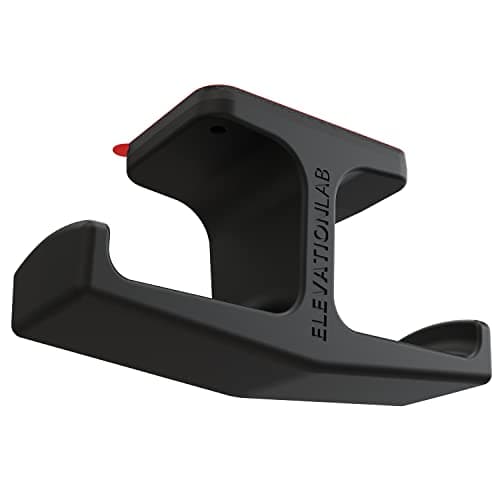
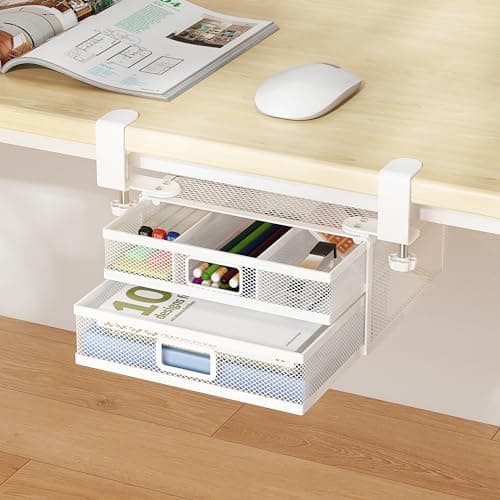
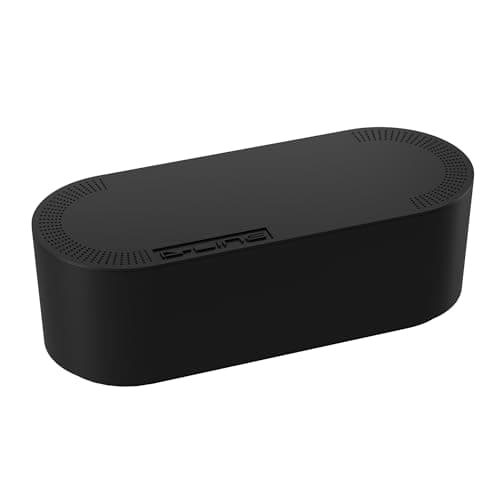
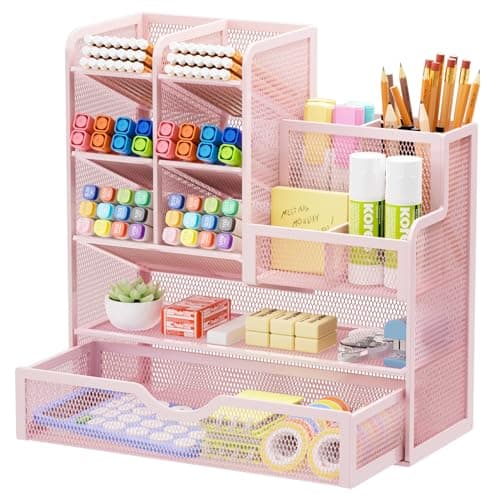
Our pick for most dorm rooms is the HOOBRO 31.5-inch desk with a built-in power outlet, and the outlet is the reason. A dorm room typically gives you one or two wall sockets for a laptop, a phone, a lamp, a fan and a kettle, and the socket is usually behind the bed. A desk with two AC outlets and USB charging ports on the frame turns the desk into the power strip, which is one fewer object on a surface that measures 31.5 by 15.7 inches.
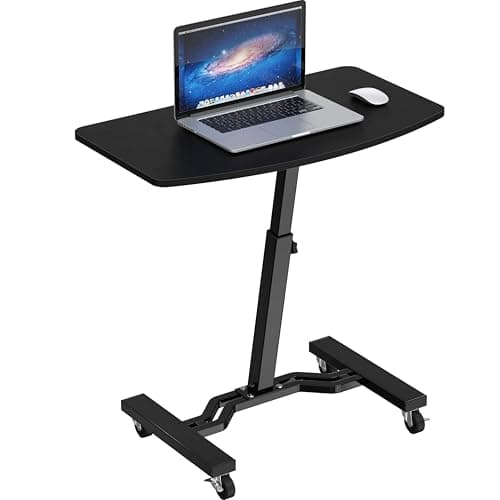
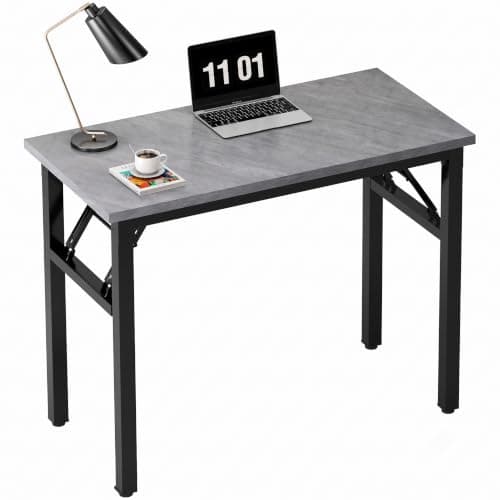
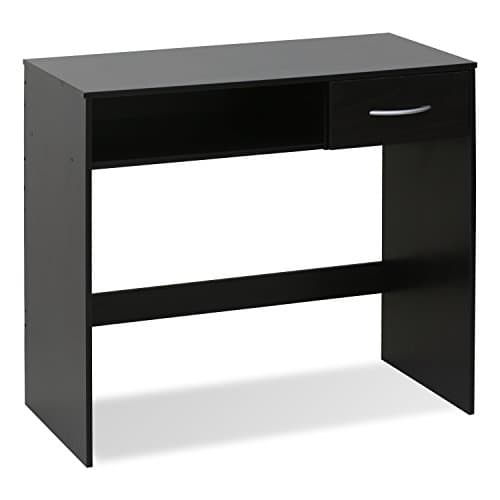
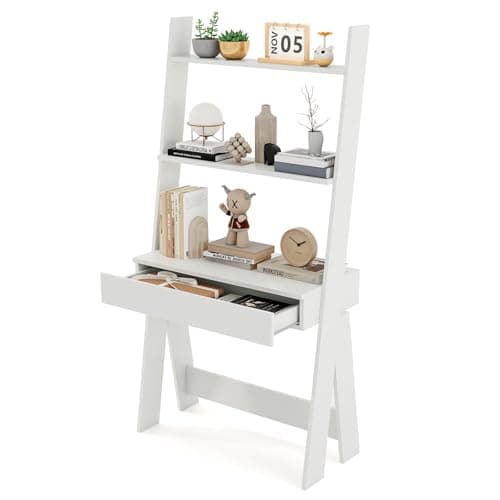
The SHW rolling cartis the pick if you share the room and the furniture moves — it adjusts from 28 to 33 inches and locks its casters. The Need folding desk needs no assembly at all and folds to 4.4 inches thick for the summer. The Furinno Jaya is the cheapest option here that still has a drawer, and the Giantex 3-tier ladder deskis the one to buy when the problem is not surface but storage — it puts three shelves in a 15.5-inch-deep footprint.
One thing to check before anything else: whether your room already has a desk. Most residence halls supply one and most will not let you remove it, which means the desk you buy is a second surface and the deciding spec becomes depth, not width. Three of the five below are under 16 inches deep for exactly that reason. Our dorm desk setup guide covers the layout side; this page is about what to buy.
The four constraints that make a dorm desk different
One: the room probably already has a desk. Most halls supply one and most tenancy agreements say it stays. So what you are buying is usually a second surface, and the spec that decides whether it fits is depth— the dimension that eats the walkway between the bed and the wardrobe. Under 16 inches is the safe band, and the HOOBRO (15.7), Furinno (15.55), Giantex (15.5), Need (15.7) and SHW (15.75) all sit inside it.
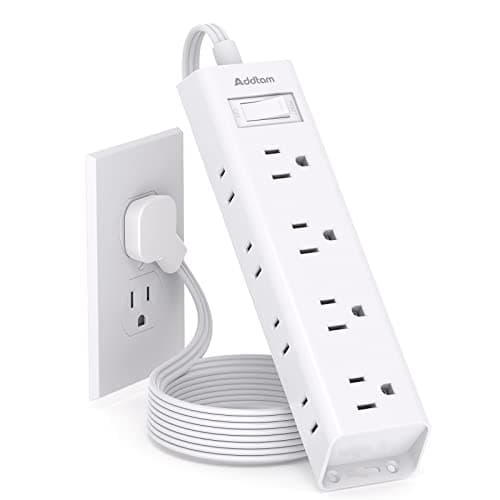
Two: outlets are the real shortage. A typical room gives you one or two sockets, often behind a bed, and usually bans extension leads under fire regulations while permitting a surge-protected strip. A desk with charging built into the frame, or a clamp-on desk power strip, moves the power to where you work instead of running a cable across the floor.
Three: you cannot drill anything.No wall anchors, no screws into the furniture, usually no adhesive hooks either without checking. That rules out wall-mounted desks and shelves, and makes clamp-on accessories the way to add anything — the same logic as our renter-friendly setup guide.
Four: it has to leave in May. This is the constraint nobody thinks about in August and everybody thinks about at the end of term. A folding desk goes flat; a flat-pack desk comes apart once, reasonably, and twice badly. If the desk is going into storage every summer, weight it accordingly.
Dimensions: what actually fits where
| Spot in the room | Depth you can use | Which picks fit |
|---|
| Along a wall, walkway in front | Up to 16 in | All five |
| Beside a bed, as a nightstand too | 15–16 in, 29–30 in high | HOOBRO, Furinno, Need |
| At the end of a bunk | Needs to roll or fold | SHW cart, Need folding |
| Corner, storage-limited room | 15.5 in plus vertical space | Giantex ladder |
What to add, and in what order
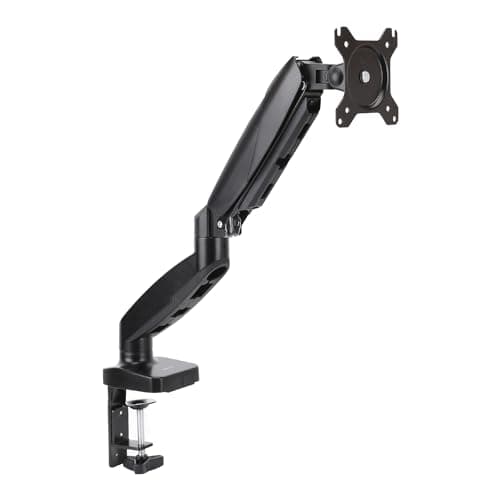
On a 31-inch desk the single biggest surface win is getting the monitor off the desk entirely. A clamp arm takes back the 9–10 inches of depth the monitor stand was occupying — but check the top first, because dorm-grade particleboard and a heavy screen are a poor combination. Work through will a monitor arm fit my desk, and if the answer is no, a riser gets you the height without the clamp.
After that: light, then storage. Overhead dorm lighting is uniformly bad and almost always on the ceiling behind you, which puts your own shadow on the page. A clamp lamp costs no surface at all — see our dorm lamp picks, where the rechargeable models also solve the socket problem. For storage, under-desk storage uses space that is already yours, and no-drill wall storage covers what you can hang without a conversation with the warden.
A word on buying second-hand furniture for one year
It is often the right call, and nothing on this page argues otherwise. The reason we rank new desks is that the numbers are published and checkable: you can confirm a 15.7-inch depth before it arrives, which you cannot do with a listing that says “small desk, good condition”. If you do buy used, measure the depth and the height (29–30 inches is standard; anything taller was built for a drafting stool) and check the top thickness if you plan to clamp anything to it.